















Popular Search
Blogs
A guide to choosing running shoes for beginners
A guide to choosing running shoes for beginners: How to pick the right pair for a smooth run
Recommended Techniques for Choosing Running Shoes for Beginners
How Beginners Can Choose Running Shoes for a Smooth Run
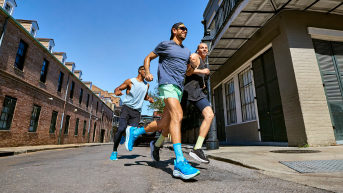
Running is a sport anyone can take up. It helps build muscle, increases physical agility, and is also an option for those looking to lose weight. Today, there are many types of running, from using treadmills in fitness centers to running in public parks. There are also numerous running races to participate in, whether for prizes or charity. However, a good run requires more than just preparation and proper technique.
Beyond preparing your body and training correctly, running shoes are a key factor in helping you run more efficiently. Especially for long-distance runs, running gear like shoes plays a significant role in reducing muscle soreness.
What Should Beginners Look for When Choosing Running Shoes?
For those interested in running and looking for a good pair of running shoes but unsure how to choose due to the many brands available, check out these helpful tips. They will make choosing running shoes much easier, help you get a great pair that increases your running efficiency, and even help prevent ankle or muscle injuries.
-
Get to Know Running Shoes
Before purchasing, a buyer should know what a shoe consists of. For running gear like shoes, there are three main components: the Outsole, the Insole (the part that touches your foot), and the Midsole (the layer between the outsole and insole). The midsole helps absorb shock, prevents injuries, and helps maintain the wearer's balance.
There are also other parts such as the Upper, Ankle Collar, Toebox, and Heel Counter. Running shoes are categorized in many ways, such as by running terrain (e.g., Road running shoes, Trail running shoes) or by their functional category: Neutral shoes (suitable for gyms, tracks, or parks), Stability shoes (suitable for daily life, like commuting or walking up stairs), Motion control shoes (focused on ankle protection, ideal for frequent runners), and Barefoot shoes (lightweight, designed for natural movement).
-
Choose Shoes to Fit Your Foot Type
Once you know the basics of running shoes, you need to understand your foot arch type. Everyone's feet are different; you can check yours by wetting your foot and stepping onto a piece of paper, then looking at the footprint left behind.
Foot arch types are divided into 3 categories:-
Normal Arch: The most common arch type. When you lift your foot, you will see a print where about half of the arch is visible, providing a balanced distribution of weight.
-
High Arch: This is when the middle of your foot is higher off the ground than usual. This type of foot can cause significant impact during walking or running, especially on the heel and forefoot, often leading to easy ankle sprains or heel and ankle pain.
-
Flat Arch: This is a flat foot that sits flush against the ground. When you lift your foot, you will see almost the entire footprint with little to no arch. Those with this foot type should choose shoes with good arch support to avoid injuries while running or walking.
-
Normal Arch: The most common arch type. When you lift your foot, you will see a print where about half of the arch is visible, providing a balanced distribution of weight.
-
Choose the Right Size
One of the most important things when choosing running shoes is finding the correct fit. A good shoe should feel comfortable, allow your feet to move slightly, and not be too tight or too loose. There should be about 0.5 inches (1.27 cm) of space between your longest toe and the tip of the shoe. It is best to shop for shoes in the evening, as your feet tend to swell throughout the day. Additionally, the upper part of the shoe should wrap snugly around your instep without being overly constricting or loose.
-
Choose Lightweight Shoes
Running gear should be lightweight and breathable. Light shoes allow for agile movement without feeling heavy on your feet. Breathability is also crucial for long-distance running, as it keeps your feet comfortable and prevents moisture buildup, which can cause foot odor. Good ventilation also reduces friction, as sweaty feet can cause rubbing, leading to injuries.
-
Choose Shoes with Good Shock Absorption
Good running shoes should have excellent shock absorption with a soft, comfortable sole to prevent fatigue. Since running puts most of the impact on your feet, cushioning is essential to prevent injuries to your feet and knees.
-
Choose Flexible Shoes
Beyond cushioning, good running shoes must be flexible. Proper flexibility reduces the risk of ankle injuries and prevents the foot from rolling. You can test flexibility by holding the toe of the shoe and bending it upward. If the toe is too stiff, it won't support your foot's natural movement while running, which can lead to injury.
-
Choose Shoes Based on Running Type
The type of running is another factor you shouldn't overlook. As mentioned, shoes are designed for specific purposes. Before buying, consider where you plan to run to make the right choice. Choosing the wrong shoe for your running style not only reduces efficiency but can also cause the shoes to wear out faster.
The main types of running include:
-
Road or Track Running: This is suitable for shoes with smooth, thick soles that are lightweight and offer good cushioning for maximum comfort.
-
Trail Running: Running on rough surfaces like dirt, rocks, or mud. These shoes should have lugs (treads) to prevent slipping. The structure should be robust to protect feet from debris like sharp stones, soil, and roots, while also resisting tears from obstacles.
- Hybrid Running: A mix of smooth and rough surfaces. The best shoes for this are neutral, providing enough support for flat surfaces while maintaining grip on rougher terrain.
-
Road or Track Running: This is suitable for shoes with smooth, thick soles that are lightweight and offer good cushioning for maximum comfort.
These are the techniques for beginners to choose the right running shoes, whether for casual runs, exercise for weight loss, or competitive racing. Each brand offers different designs and features, but these tips serve as a solid foundation to help you make a better decision, ensuring you get effective, suitable shoes that will help you achieve your best run.
For more information, please contact:
https://www.rev.co.th
Contact: https://www.rev.co.th/contact-us
Line: Click to Add Friend
Facebook: https://www.facebook.com/sportsrev.th
Instagram: https://www.instagram.com/rev.runnr